Dansk
 Deutsch
 English (US)
 Español
 Français
 Italiano
 Nederlands
 Polski
 Suomi
 Svenska
Price: €25.90
Shop price – even cheaper with code SUPPLIGATOR
Product type
A Comparison of Powdered Carbohydrates: Maltodextrin, Cyclic Dextrin, Carb Loaders, and Recovery Shakes from ESN—Composition, Preparation, and Purchasing Criteria.
6 products
Shop price – even cheaper with code SUPPLIGATOR
ESN
Shop price – even cheaper with code SUPPLIGATOR
ESN
Shop price – even cheaper with code SUPPLIGATOR
Shop price – even cheaper with code SUPPLIGATOR
Shop price – even cheaper with code SUPPLIGATOR
Partner links (advertising) · The price stays the same for you.
Carbohydrate supplements are powders that consist primarily of carbohydrates and are mixed with water to make a drink. They are usually based on starch from corn, potatoes, or tapioca, which is broken down into shorter chains or specially processed. Some powders are unflavored, while others contain flavorings, sweeteners, or additional ingredients such as protein or electrolytes.
These powders are typically consumed during endurance sports, long training sessions, bike rides, runs, or competitions—before, during, or after the activity, depending on the product and the manufacturer’s instructions. They are not intended to replace a meal in everyday life. The amount per serving is listed in the nutrition facts table on the package.
According to the manufacturer, combination products such as ESN from Intra Workout combine cyclic dextrin with essential amino acids, L-citrulline, and electrolytes from coconut water in a single powder. You can find pure electrolyte products with no significant carbohydrate content on our page about electrolytes, and amino acid powders under “Amino Acids.”
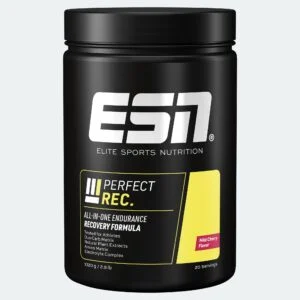
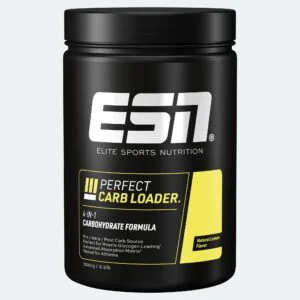
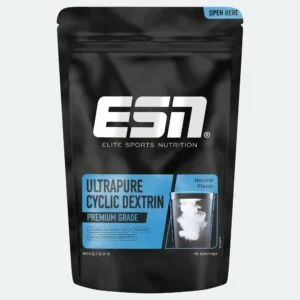
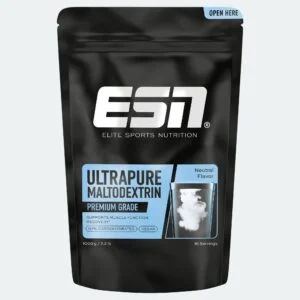
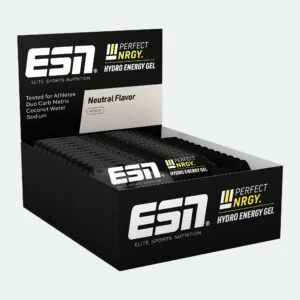
The products in this category are from ESN. The line includes both individual ingredients and ready-made blends:
The conceptual difference lies in flexibility: individual ingredients are neutral and can be mixed freely, while ready-made blends provide flavor and a predetermined composition. More Nutrition focuses on other categories; the comparison list above shows which brands are currently represented.
Carbohydrate powders are mixed with cold water in a shaker or water bottle. The manufacturer specifies the amount of water per serving; adding more water makes the drink thinner and less sweet. Neutral-flavored powders can also be mixed into juice spritzers, protein shakes, or oatmeal.
Drink mixed beverages on the same day if possible, and rinse the bottle thoroughly afterward.
Many endurance athletes mix their own drinks using neutral carbohydrates: maltodextrin or cyclic dextrin as a base, plus electrolytes, a little juice for flavor, or a flavoring powder. This approach is flexible and usually inexpensive, but it takes a little practice to get the sweetness and concentration just right.
Ready-made mixes, such as a carb loader or a recovery shake, take this work off your hands: the ingredients, flavor, and serving size are predetermined, and the label tells you how much to mix. In return, you’re limited to the manufacturer’s specific varieties and formulations.
We prepare each powder according to the manufacturer's instructions, usually with cold water in a shaker. For flavored varieties, we rate them based on taste, sweetness, consistency, solubility, and aftertaste on a scale of 1 to 10. For unflavored powders, we focus primarily on how neutral they actually taste and how well they dissolve. You can see the results in the rankings above, and the details in our testing methodology.
It depends on the application: Neutral individual ingredients like maltodextrin or cyclic dextrin are versatile, while ready-made blends add flavor. The list above shows the top-rated varieties from our tasting.
Both are made from starch and are largely flavorless. Because it is produced enzymatically, cyclic dextrin has a ring-shaped, highly branched structure and is usually more expensive. Which one you prefer is mainly a matter of solubility, taste in the beverage, and price.
Just a little. It's mostly flavorless and can be mixed into drinks or shakes.
Typically before, during, or after long training sessions and competitions, such as cycling or running. The manufacturer specifies the timing and amount on the package.
This is the term used for powders that combine several sources of carbohydrates, often with added flavor. The ingredients list specifies which raw materials are included.
Yes, neutral carbohydrate powders mix well into a protein shake. Alternatively, there are recovery shakes that already combine both.
The manufacturer lists this information on the label, sometimes along with a dosage chart based on body weight and the duration of the session. Stick to these guidelines and test out new amounts during training—don't wait until competition day.
Pure powders made from maltodextrin, cyclic dextrin, or amylopectin are derived from plant starch. For blends containing protein or additives, it’s worth checking the ingredient list and label.
Always save with code SUPPLIGATOR – plus current deals.
Live deals from ESN, More Nutrition & co.
Filter by brand, rating and diet.
Our tasting and rating method explained.
Choose a group to join
May Suppligator measure its ads?
We’d like to see whether our ads on Instagram and Facebook work – without cookies and without a pixel.
With your permission our server tells Meta (Facebook/Instagram) which pages you view here and whether you e.g. copy a code or sign up – so we can see whether our ads work and ads become more relevant. Your IP address, browser details and a click identifier are sent to Meta (including to the USA). If you are signed in, also your email address and account ID as an unreadable checksum (hash). We use no Meta cookies and no pixel for this. Privacy policy