Dansk
 Deutsch
 English (US)
 Español
 Français
 Italiano
 Nederlands
 Polski
 Suomi
 Svenska

How we test
Every flavour is tasted individually and scored out of 10. The leaderboard ranks all rated flavours of this product type by Suppligator score. Our methodology explains the criteria and weighting.
Product type
Protein Powder Review: Whey, Isolate, and Multi-Component Protein from ESN, More Nutrition, and others—each variety tasted individually, with a ranking, buying criteria, and a discount code.
9 products · 52 flavours tasted · Avg. rating 8.52
From our editorial taste test – every flavour rated individually (1–10). Updated: 26 October 2026
Every flavour is tasted individually and scored out of 10. The leaderboard ranks all rated flavours of this product type by Suppligator score. Our methodology explains the criteria and weighting.
Shop price – even cheaper with code SUPPLIGATOR
Shop price – even cheaper with code SUPPLIGATOR
Shop price – even cheaper with code SUPPLIGATOR
Shop price – even cheaper with code SUPPLIGATOR
Shop price – even cheaper with code SUPPLIGATOR
Shop price – even cheaper with code SUPPLIGATOR
More Nutrition
Shop price – even cheaper with code SUPPLIGATOR
Partner links (advertising) · The price stays the same for you.
Protein powder is a protein-based powder. It is mixed with water, milk, or a plant-based beverage to make a shake, or used in cooking and baking. Most of the powders on this page are based on whey protein, which is derived from milk during cheese production.
For many people, protein powder—often called “eiweißpulver”—is simply a convenient way to incorporate protein into their daily routine: as a snack-time shake, in oatmeal, or as a base for desserts. That’s why the most important factors when making a purchase are taste, solubility, the ingredient list, and the price per serving. That’s exactly what we look at for each variety.
When people talk about “whey protein,” they’re usually referring to concentrate, isolate, or a blend of the two. The ingredient list reveals which type is in a can: the protein source listed first makes up the largest portion.
The differences between good protein powders lie less in their protein content than in everyday use: Does the flavor still taste good even after the tenth serving? Does it dissolve in the shaker without clumping? How sweet is it, and what sweeteners does it contain? Our taste test answers these questions for each individual variety.
There’s no such thing as a “best” protein powder in general—it depends on how you use it and which flavor you prefer. The list of top picks above shows the highest-rated varieties from our taste test, and the comparison list below shows all products along with their prices.
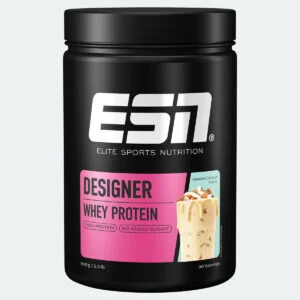
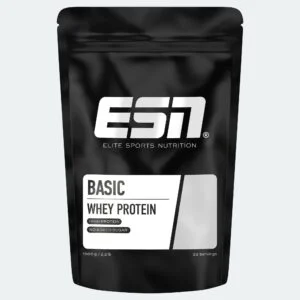
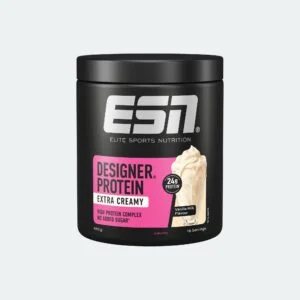
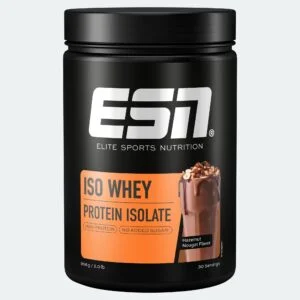
Both brands offer several lines of protein powder, but each has a different focus. ESN is best known for its “Designer Whey,” which, according to the manufacturer, is a blend of whey concentrate and whey isolate with a milkshake-like texture and a very wide variety of flavors—ranging from classics like vanilla and chocolate to dessert and cereal flavors. In addition, there’s the clear “Isoclear” (see Clear Whey) and a line of hydrolysate and isolate products for those specifically seeking these protein forms.
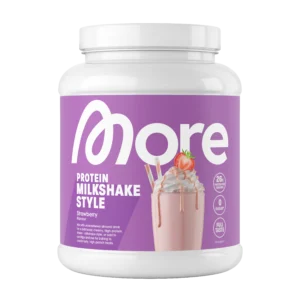
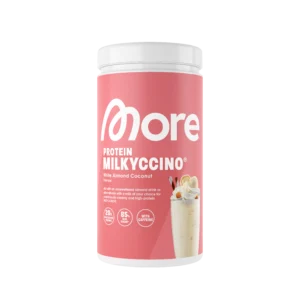
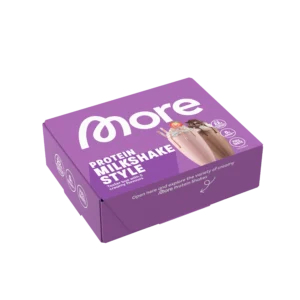
More Nutrition In addition to whey, More also offers multi-ingredient powders that thicken when mixed with water and are great for bowls, puddings, and baking recipes. More also carries many varieties with dessert or coffee flavors; you can find all the coffee varieties in the “Protein Coffee & Latte” section. Ultimately, which line you prefer is a matter of taste—that’s why we don’t rate the brand as a whole, but rather each flavor individually. You can get a discount using the “ESN” discount code or the “More Nutrition” code.
Our editorial team prepares each variety just as you would at home: in a shaker with water or milk, following the manufacturer’s instructions. We rate flavor, sweetness, consistency, solubility, and aftertaste on a scale of 1 to 10. The rating always applies to the specific flavor—that’s why you’ll find the results for each flavor listed on every product page.
We taste new varieties shortly after their launch. If a manufacturer changes its recipe, we taste the product again. We explain exactly how our rating system works in the testing methodology.
Depending on the product, the typical serving size is 25 to 30 grams of powder—always follow the serving instructions on the package. Protein powder is not a substitute for a varied diet, but it can easily supplement it.
Tip: Neutral varieties and multi-ingredient powders are particularly well-suited for baking because they are more heat-stable and don't have a strong flavor of their own. You can find ready-made mixes for pancakes and cakes in the protein baking mixes section.
That depends mainly on personal taste and intended use. Our ranking above shows the highest-rated varieties from our tasting. Classic whey powders are ideal for milkshake-style shakes, Clear Whey is best for fruity drinks, and plant-based powders are suitable for a dairy-free diet.
Whey is a specific source of protein (whey protein). Protein powder is the umbrella term—it also includes casein, multi-component protein, soy protein, pea protein, and rice protein.
Both work. Using water makes the shake lighter and gives it a slightly milder flavor, while using milk or a plant-based beverage makes it creamier. The nutritional values change accordingly—they’re usually listed on the package for preparation with water.
Not necessarily. Isolate is more heavily filtered and usually contains less lactose and fat, while concentrate often tastes creamier and is less expensive. The deciding factors are personal tolerance, taste, and price.
Calculate the price per serving instead of per package: Bulk packages are usually much cheaper. Use the code SUPPLIGATOR to save money year-round at ESN and More Nutrition; during promotional weeks, there are often additional discounts—you can find current promotions in our Deals section.
Protein powder is a food, just like cottage cheese or milk—a convenient way to add protein to shakes, oatmeal, or baked goods. Whether it’s right for you depends on the rest of your diet and your daily routine. It is not a substitute for a balanced, varied diet.
Yes, most brands offer neutral varieties without flavorings or sweeteners. They work well for cooking, baking, and smoothies—but on their own, they taste rather bland.
Protein powder isn't gender-specific. What matters most are taste, digestibility, ingredients, and serving size—“for women” is usually just a marketing term.
For whey protein, we have our own whey protein comparison with a table—linked below under “Further Reading.”
Always save with code SUPPLIGATOR – plus current deals.
Always save with code SUPPLIGATOR – plus current deals.
The best whey proteins side by side.
Live deals from ESN, More Nutrition & co.
Filter by brand, rating and diet.
Our tasting and rating method explained.
Choose a group to join
May Suppligator measure its ads?
We’d like to see whether our ads on Instagram and Facebook work – without cookies and without a pixel.
With your permission our server tells Meta (Facebook/Instagram) which pages you view here and whether you e.g. copy a code or sign up – so we can see whether our ads work and ads become more relevant. Your IP address, browser details and a click identifier are sent to Meta (including to the USA). If you are signed in, also your email address and account ID as an unreadable checksum (hash). We use no Meta cookies and no pixel for this. Privacy policy