Dansk
 Deutsch
 English (US)
 Español
 Français
 Italiano
 Nederlands
 Polski
 Suomi
 Svenska

How we test
Every flavour is tasted individually and scored out of 10. The leaderboard ranks all rated flavours of this product type by Suppligator score. Our methodology explains the criteria and weighting.
Product type
Pre-Workout Boosters Put to the Test: ESN Crank, More Every Workout, and Others—Flavors Tasted, Ingredients and Caffeine Explained, Boosters With and Without Caffeine Compared.
7 products · 12 flavours tasted · Avg. rating 8.19
From our editorial taste test – every flavour rated individually (1–10). Updated: 9 October 2026
Every flavour is tasted individually and scored out of 10. The leaderboard ranks all rated flavours of this product type by Suppligator score. Our methodology explains the criteria and weighting.
Shop price – even cheaper with code SUPPLIGATOR
Shop price – even cheaper with code SUPPLIGATOR
Shop price – even cheaper with code SUPPLIGATOR
Shop price – even cheaper with code SUPPLIGATOR
Shop price – even cheaper with code SUPPLIGATOR
Shop price – even cheaper with code SUPPLIGATOR
ESN
Shop price – even cheaper with code SUPPLIGATOR
Partner links (advertising) · The price stays the same for you.
Pre-workout boosters are powdered drinks that are consumed before a workout. Typical ingredients include caffeine, amino acids such as citrulline or beta-alanine, taurine, and vitamins. Boosters are available with and without caffeine; manufacturers often refer to caffeine-free versions as “pump boosters” or “stimulant-free.”
The products vary greatly in composition, dosage, and flavor. We taste each variety and explain what you should look for when making your choice—without making any claims about effectiveness, but with a clear focus on the label, caffeine content, and flavor.
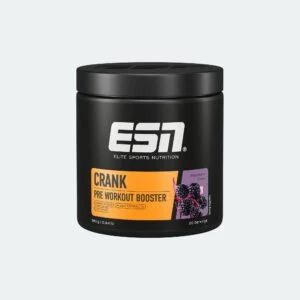
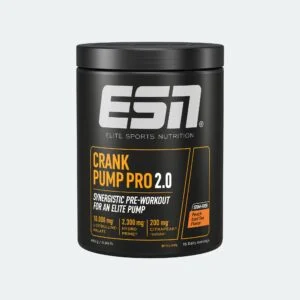
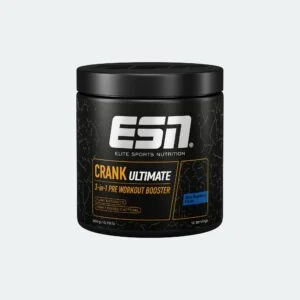
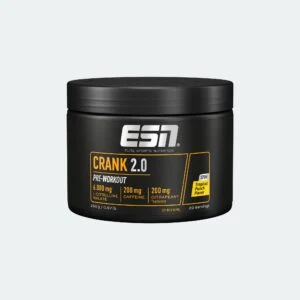
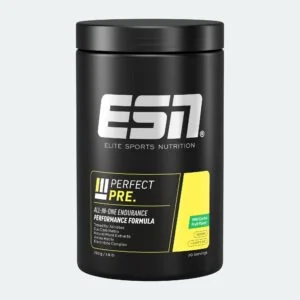
ESN offers its boosters in the Crank line. According to the manufacturer, this includes caffeinated varieties with different ingredient profiles as well as decaffeinated “Pump” varieties. The line is therefore quite diverse: When shopping at ESN, customers first choose between caffeinated and decaffeinated options and then select a specific variety.
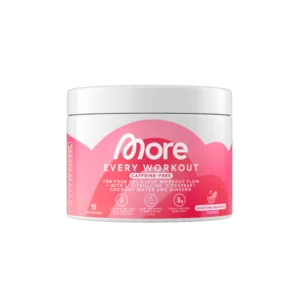
With Every Workout, More Nutrition offers a single booster in several flavors, including a neutral version. According to the manufacturer, it combines caffeine with L-theanine, citrulline, arginine, creatine, and L-carnitine in a single powder. If you’re already taking creatine separately, be sure to add up the amounts on both labels. Use the code SUPPLIGATOR to save on both brands.
Pay attention to the amount of caffeine per serving and factor in any coffee, energy drinks, or caffeinated shakes you consume on the same day. If you work out in the evening, you’re more likely to choose a decaf option. Taste is especially important with pre-workout supplements because they’re usually consumed with just a small amount of water—our top picks list above shows which varieties stand out.
Add the powder to cold water according to the manufacturer's instructions and shake vigorously in a shaker. Most manufacturers recommend taking the pre-workout booster before your workout; the package specifies the exact timing and amount of water. Some manufacturers recommend starting with a smaller amount—do not exceed the specified daily serving.
Serving suggestion: Shake with ice cubes; in the summer, add a little more water for a milder flavor. It’s best to add carbonated water only after the powder has dissolved, otherwise the shaker will overflow. Pre-workout products are often dietary supplements: They are not a substitute for a balanced, varied diet and a healthy lifestyle.
We prepare each flavor in a shaker with cold water, following the manufacturer's instructions. We rate taste, sweetness, consistency, solubility, and aftertaste on a scale of 1 to 10—boosters are often intensely flavored, so we pay special attention to whether the flavor remains pleasant even after several sips. We also compare the label: caffeine content, transparency regarding individual serving sizes, and price per serving.
We deliberately do not evaluate the effects. The testing methodology explains in detail how our pre-workout booster test is conducted.
That depends on whether you're looking for a caffeinated or decaffeinated energy drink and which flavor you prefer. The list above shows the top-rated varieties from our tasting.
This varies greatly depending on the product and is listed on the label per serving. Be sure to factor in caffeine from other sources consumed on the same day.
Yes, so-called "pump" or "stim-free" boosters do not contain caffeine. They are often chosen for evening workouts.
This is usually due to beta-alanine. The tingling sensation is common and goes away after a short time.
Most manufacturers recommend taking the pre-workout booster before your workout. You can find the exact timing and amount of water in the serving instructions on the package.
If you're taking caffeine-containing energy drinks, be sure to count the coffee you drink that same day. According to the EFSA, up to 400 mg of caffeine per day from all sources is considered safe for healthy adults, with individual doses of up to 200 mg.
Caffeine-containing energy drinks are not recommended for children, pregnant women, or nursing mothers. If you have any pre-existing medical conditions, are taking medication, or are sensitive to caffeine, consult a doctor before use.
A pre-workout booster is designed to be taken before a workout and, in addition to caffeine, usually contains amino acids such as citrulline or beta-alanine. Energy drinks and energy powders are more general in nature and rely primarily on caffeine, taurine, and flavor. For both, the same rule applies: Check the caffeine content on the label and add it up with other sources.
Always save with code SUPPLIGATOR – plus current deals.
Always save with code SUPPLIGATOR – plus current deals.
Live deals from ESN, More Nutrition & co.
Filter by brand, rating and diet.
Our tasting and rating method explained.
Choose a group to join
May Suppligator measure its ads?
We’d like to see whether our ads on Instagram and Facebook work – without cookies and without a pixel.
With your permission our server tells Meta (Facebook/Instagram) which pages you view here and whether you e.g. copy a code or sign up – so we can see whether our ads work and ads become more relevant. Your IP address, browser details and a click identifier are sent to Meta (including to the USA). If you are signed in, also your email address and account ID as an unreadable checksum (hash). We use no Meta cookies and no pixel for this. Privacy policy