Dansk
 Deutsch
 English (US)
 Español
 Français
 Italiano
 Nederlands
 Polski
 Suomi
 Svenska

How we test
Every flavour is tasted individually and scored out of 10. The leaderboard ranks all rated flavours of this product type by Suppligator score. Our methodology explains the criteria and weighting.
Product type
Vitamins & Minerals at a Glance: Vitamin D3, K2, Magnesium, Zinc, Multivitamins, and More from ESN and More Nutrition—Forms, Labeling, and Dosage Explained.
25 products · 3 flavours tasted · Avg. rating 7.58
From our editorial taste test – every flavour rated individually (1–10). Updated: 9 October 2026
Every flavour is tasted individually and scored out of 10. The leaderboard ranks all rated flavours of this product type by Suppligator score. Our methodology explains the criteria and weighting.
ESN
Shop price – even cheaper with code SUPPLIGATOR
Shop price – even cheaper with code SUPPLIGATOR
More Nutrition
Shop price – even cheaper with code SUPPLIGATOR
Shop price – even cheaper with code SUPPLIGATOR
Shop price – even cheaper with code SUPPLIGATOR
More Nutrition
Shop price – even cheaper with code SUPPLIGATOR
Shop price – even cheaper with code SUPPLIGATOR
Shop price – even cheaper with code SUPPLIGATOR
Shop price – even cheaper with code SUPPLIGATOR
Shop price – even cheaper with code SUPPLIGATOR
Shop price – even cheaper with code SUPPLIGATOR
Shop price – even cheaper with code SUPPLIGATOR
Shop price – even cheaper with code SUPPLIGATOR
Shop price – even cheaper with code SUPPLIGATOR
Shop price – even cheaper with code SUPPLIGATOR
Shop price – even cheaper with code SUPPLIGATOR
Shop price – even cheaper with code SUPPLIGATOR
Shop price – even cheaper with code SUPPLIGATOR
Shop price – even cheaper with code SUPPLIGATOR
Shop price – even cheaper with code SUPPLIGATOR
Shop price – even cheaper with code SUPPLIGATOR
Shop price – even cheaper with code SUPPLIGATOR
ESN
Shop price – even cheaper with code SUPPLIGATOR
Partner links (advertising) · The price stays the same for you.
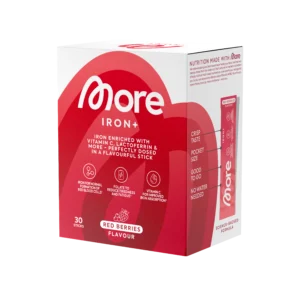
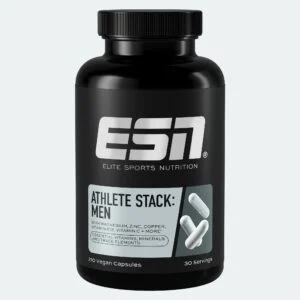
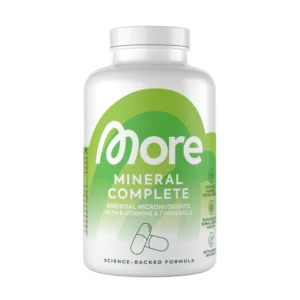
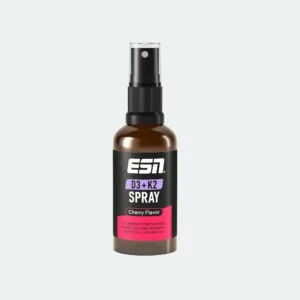
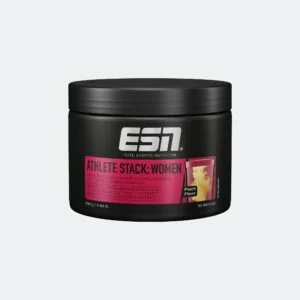
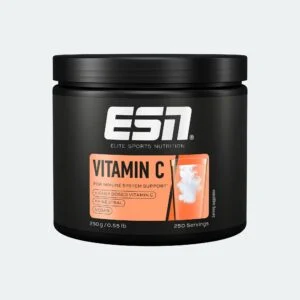
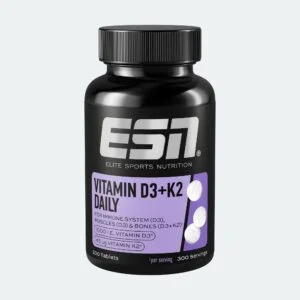
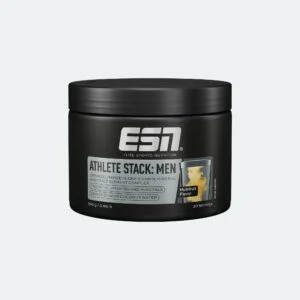
Vitamins and minerals as dietary supplements are available in capsules, tablets, drops, sprays, powders, and sticks—ranging from individual nutrients such as vitamin D3, magnesium, or zinc to multivitamin complexes. On this page, you’ll find a collection of products from ESN and More Nutrition, with prices and store links in the comparison list above.
Here, we describe what’s in the products, in what form, and how to read the label. We deliberately refrain from making any claims about their effects.
Dietary supplements are not a substitute for a balanced, varied diet and a healthy lifestyle. Do not exceed the recommended daily intake. If you have any questions about taking this product—especially if you have a medical condition, are taking medication, are pregnant, or are breastfeeding—consult your doctor.
Minerals are never found in a product in their “pure” form, but always as a compound. The specific compound is listed in the ingredients list.
When making comparisons, what always counts is the amount of the nutrient itself (e.g., magnesium in mg) per daily serving—not the weight of the capsule or the compound.
If you're taking multiple products, it's a good idea to add up the amounts of the same nutrients—for example, if vitamin D is included in both a multivitamin and a standalone supplement.
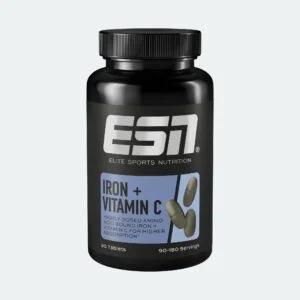
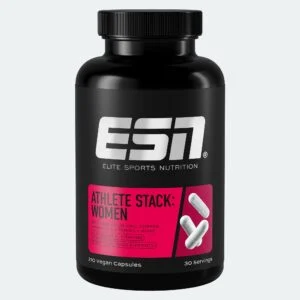
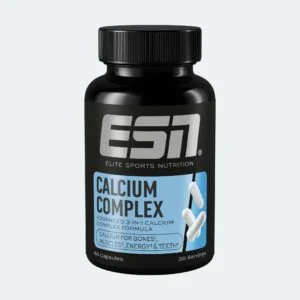
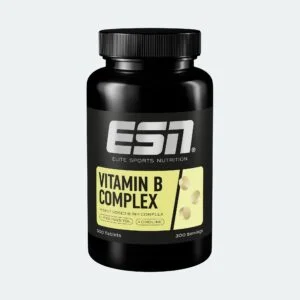
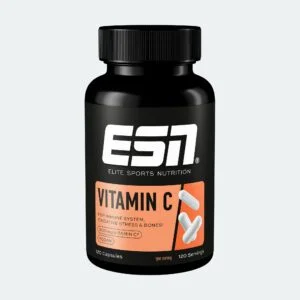
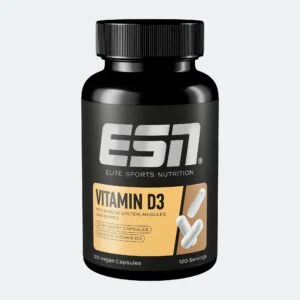
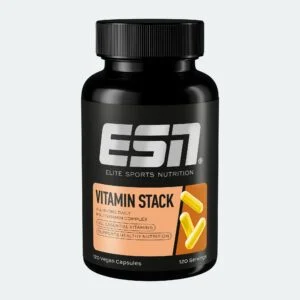
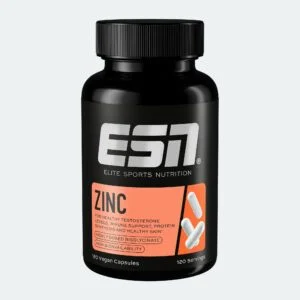
ESN primarily offers single-ingredient supplements, such as vitamin D3 and K2 in drops or capsules, magnesium in various forms, zinc, vitamin C, a B-complex vitamin, and calcium, as well as combination products. The approach: You put together your own combination of individual nutrients.
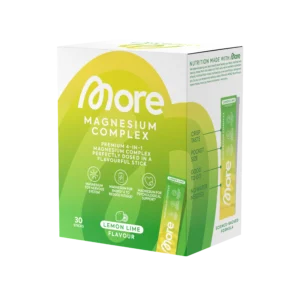
More Nutrition focuses more on complexes that combine multiple nutrients in a single daily serving, including multivitamin and mineral supplements as well as combinations with omega-3. Which option suits you best depends on whether you prefer to choose specific individual products or opt for a complete package. You can get a discount using the ESN discount code or the More Nutrition code.
The manufacturer specifies when and how a product should be taken in the recommended usage instructions—for example, “1 capsule daily with a meal and water.” Drops are counted out or measured using a pipette, while powders and single-serve packets are dissolved in water.
Package sizes and daily servings vary widely for vitamins and minerals: sometimes a daily serving is one capsule, sometimes two or three, and for drops, a specific number of drops. A fair comparison can only be made based on the price per daily serving.
Large packages and promotions often significantly lower the price per daily serving. You can find current offers in our Deals section. Omega-3 supplements have their own page: Omega-3 at a Glance.
With capsules, tablets, and drops, there is no taste to evaluate—so we do not claim to conduct a taste test. Instead, we compare what’s listed on the label: nutrients and compounds, amount and % NRV per daily serving, dosage form, capsule shell, additives, ease of use, and price per daily serving. If a flavored variety has been rated, you’ll see it in the list above. Read more about this in our testing methodology.
NRV stands for “Nutrient Reference Value.” This value indicates what percentage of a reference amount a daily serving provides.
It's mainly a matter of personal preference. Powders and sticks can be mixed into drinks, while capsules are tasteless.
There is no one-size-fits-all answer. Compare the nutrients, ingredients, amount per daily serving, form, and price per daily serving. If you have questions about your personal needs, consult a doctor.
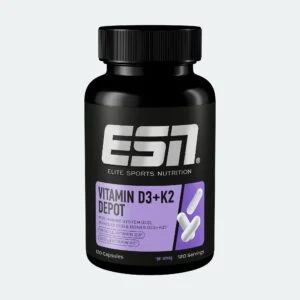
Vitamin D3 supplements contain only vitamin D3, while combination supplements also contain vitamin K2, usually in the form of MK-7. The amounts of both vitamins per daily serving are listed in the nutrition facts table.
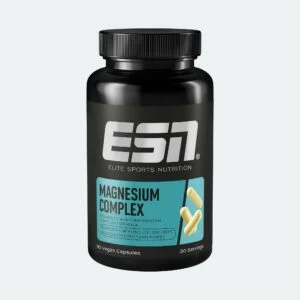
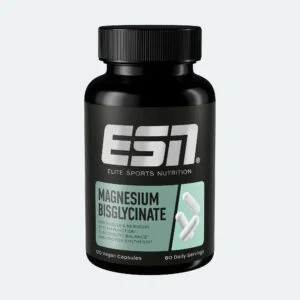
Common forms include magnesium citrate, bisglycinate, malate, and oxide, as well as some combinations. They differ in their content of elemental magnesium, so when comparing them, the amount of magnesium per daily serving is what matters.
A supplement that combines many vitamins and often minerals in a single daily serving. The specific nutrients and their amounts vary significantly from product to product.
Both contain the same vitamins, just in different forms. Drops can be counted out one by one, while capsules are tasteless and easier to carry; the amount per daily serving is listed in the nutrition table for each.
The recommended time for consumption is indicated on the package, often with a meal. If you have a medical condition, are taking medication, are pregnant, or are breastfeeding, consult a doctor beforehand.
Always save with code SUPPLIGATOR – plus current deals.
Always save with code SUPPLIGATOR – plus current deals.
Live deals from ESN, More Nutrition & co.
Filter by brand, rating and diet.
Our tasting and rating method explained.
Choose a group to join
May Suppligator measure its ads?
We’d like to see whether our ads on Instagram and Facebook work – without cookies and without a pixel.
With your permission our server tells Meta (Facebook/Instagram) which pages you view here and whether you e.g. copy a code or sign up – so we can see whether our ads work and ads become more relevant. Your IP address, browser details and a click identifier are sent to Meta (including to the USA). If you are signed in, also your email address and account ID as an unreadable checksum (hash). We use no Meta cookies and no pixel for this. Privacy policy