Dansk
 Deutsch
 English (US)
 Español
 Français
 Italiano
 Nederlands
 Polski
 Suomi
 Svenska

How we test
Every flavour is tasted individually and scored out of 10. The leaderboard ranks all rated flavours of this product type by Suppligator score. Our methodology explains the criteria and weighting.
Product type
Creatine Review: Creatine monohydrate in powder, capsule, stick, and gummy form from ESN and More Nutrition—forms, dosage, purchasing criteria, and top picks.
6 products · 5 flavours tasted · Avg. rating 8.20
From our editorial taste test – every flavour rated individually (1–10). Updated: 9 October 2026
Every flavour is tasted individually and scored out of 10. The leaderboard ranks all rated flavours of this product type by Suppligator score. Our methodology explains the criteria and weighting.
Shop price – even cheaper with code SUPPLIGATOR
Shop price – even cheaper with code SUPPLIGATOR
More Nutrition
More Nutrition
Shop price – even cheaper with code SUPPLIGATOR
Partner links (advertising) · The price stays the same for you.
Creatine is a substance produced naturally by the body from amino acids and is also found in meat and fish. As a dietary supplement, creatine monohydrate is almost always the form available—it is the most widely studied and usually the most affordable form.
Creatine is one of the best-known supplements in strength training. The EU has strict regulations governing what claims about its effects can appear on packaging and in advertisements; here, we’re deliberately focusing on what you can actually compare before making a purchase: form, purity claims, solubility, taste, ease of use, and price per daily serving.
If a package simply says “creatine,” it usually refers to creatine monohydrate: creatine bound to a water molecule. It is a white, odorless powder with a slightly neutral to minimally bitter taste. Almost all products on this page are based on this form.
In addition, there are special forms such as creatine HCl, buffered creatine (Kre-Alkalyn), and creatine ethyl ester. These are much less common on the market and are usually more expensive per gram. They play hardly any role in our comparison—anyone considering them should primarily compare the price and the amount of creatine per daily serving listed on the label.
The active ingredient is the same in all dosage forms; the difference lies in everyday use: How quickly can the daily dose be prepared, how does it taste, and how much does it cost?
People who take creatine daily over the long term usually opt for the powder form for cost reasons. Sticks and gummies are a convenient option, for example, when you're on the go or for anyone who doesn't want to mix a powder.
In a normal diet, creatine is primarily obtained from meat and fish—such as herring, salmon, tuna, beef, and pork. Plant-based foods contain virtually no creatine. That is why people who eat little or no meat are particularly interested in creatine as a dietary supplement.
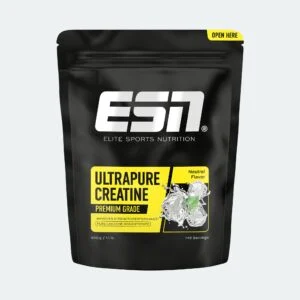
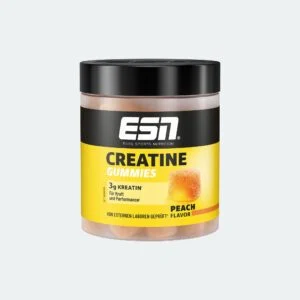
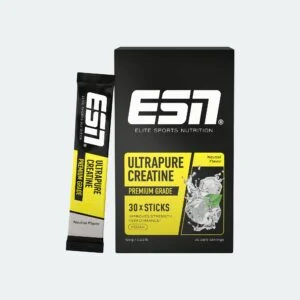
The various forms of creatine available today demonstrate just how diverse its offerings are. ESN offers Ultrapure Creatine as a fine powder—plain or flavored, such as Fizzy Orange, with 4 g of powder per 100 ml of water according to the manufacturer—as well as in sticks and capsules, and as Creatine Gummies, which contain 3 g of creatine per serving according to the manufacturer. The focus is therefore on pure creatine monohydrate in as many forms as possible.
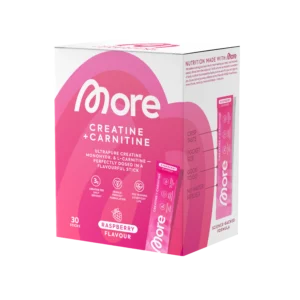
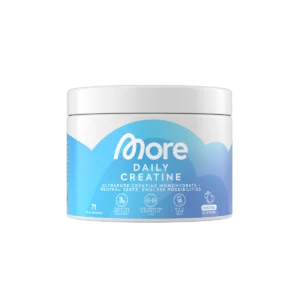
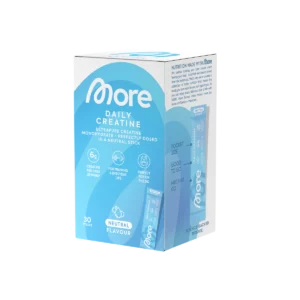
More Nutrition offers creatine powder and sticks containing creatine and carnitine. The focus here is more on the combination: If you choose a blended product, you should check the label to see how much creatine is actually contained in each serving. The list of top picks above shows which variety you’ll like best. You can save money on both brands by using the ESN discount code or the More Nutrition code.
Follow the serving instructions on the package; do not exceed the recommended daily intake. Creatine can be taken at any time of day; many people combine it with their protein shake or breakfast out of habit.
Dietary supplements are not a substitute for a balanced, varied diet and a healthy lifestyle. If you have any pre-existing medical conditions, are taking medication, or are pregnant or breastfeeding, consult a doctor before use.
Unflavored creatine monohydrate tastes similar across all brands—the differences lie in the details. We mix each variety with water according to the manufacturer’s instructions and rate solubility, residue in the glass, consistency, taste, sweetness, and aftertaste on a scale of 1 to 10. For flavored varieties and gummies, taste is more important; for unflavored powder, the main consideration is how easily it can be stirred into beverages without being noticeable.
We also compare the label: creatine content per daily serving, other ingredients, form of administration, and price per daily serving. For details on how our evaluation works, see the testing methodology.
It depends on what's important to you. Plain creatine monohydrate powder is flavorless, well-researched, and inexpensive per serving, while sticks and gummies score high on convenience and taste but cost more. The list of top picks above shows the highest-rated products from our test.
In terms of content, there is no difference if both are creatine monohydrate. Powder is less expensive and can be mixed into drinks, while capsules are tasteless and convenient for on the go.
A loading phase is not necessary. Most manufacturers recommend a consistent daily dose—the exact amount is listed on the package and should not be exceeded.
Creatine can be taken at any time of day. Many people incorporate it into a set routine—such as with breakfast or their post-workout shake—so they don't forget to take it.
Yes, many people mix creatine into their EAA or protein shakes. The key is to follow the recommended intake guidelines for both products.
If you have any pre-existing medical conditions—especially kidney problems—are taking medication, or are pregnant or breastfeeding, consult a doctor before use. Sports supplements are generally not intended for children and adolescents.
Creapure® is a trademark for creatine monohydrate manufactured in Germany. Products containing this ingredient feature the logo on their packaging.
Creatine monohydrate dissolves only partially in cold water, so a fine sediment often remains. Using micronized powder, adding a little more liquid, and stirring briefly just before drinking can help.
Always save with code SUPPLIGATOR – plus current deals.
Always save with code SUPPLIGATOR – plus current deals.
Live deals from ESN, More Nutrition & co.
Filter by brand, rating and diet.
Our tasting and rating method explained.
Choose a group to join
May Suppligator measure its ads?
We’d like to see whether our ads on Instagram and Facebook work – without cookies and without a pixel.
With your permission our server tells Meta (Facebook/Instagram) which pages you view here and whether you e.g. copy a code or sign up – so we can see whether our ads work and ads become more relevant. Your IP address, browser details and a click identifier are sent to Meta (including to the USA). If you are signed in, also your email address and account ID as an unreadable checksum (hash). We use no Meta cookies and no pixel for this. Privacy policy