Dansk
 Deutsch
 English (US)
 Español
 Français
 Italiano
 Nederlands
 Polski
 Suomi
 Svenska

How we test
Every flavour is tasted individually and scored out of 10. The leaderboard ranks all rated flavours of this product type by Suppligator score. Our methodology explains the criteria and weighting.
Product type
Energy Drinks & Caffeine Put to the Test: Energy Drink Powders, Hydration-Energy Drinks, Gels, and Caffeine Products from ESN, and Others—Caffeine Content, Taste, and Required Labels.
7 products · 5 flavours tasted · Avg. rating 8.60
From our editorial taste test – every flavour rated individually (1–10). Updated: 9 October 2026
Every flavour is tasted individually and scored out of 10. The leaderboard ranks all rated flavours of this product type by Suppligator score. Our methodology explains the criteria and weighting.
ESN
Shop price – even cheaper with code SUPPLIGATOR
Shop price – even cheaper with code SUPPLIGATOR
ESN
Shop price – even cheaper with code SUPPLIGATOR
Shop price – even cheaper with code SUPPLIGATOR
Partner links (advertising) · The price stays the same for you.
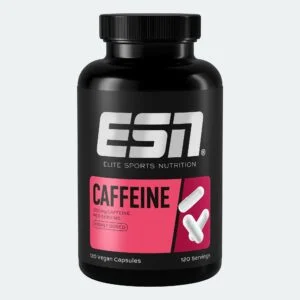
In this category, you'll find powdered beverages and drinks containing caffeine, as well as pure caffeine products. They differ primarily in the amount of caffeine per serving, in other ingredients such as taurine or L-theanine, and, of course, in flavor.
The term “Energy” is a product name, not a characteristic: it refers to beverages in the style of classic energy drinks, but in the form of a powder to mix yourself, a hydration drink, or a gel. We’re interested in what’s on the label and how the flavor tastes.
Beverages with high caffeine content must carry the mandatory warning “High caffeine content. Not recommended for children or pregnant or breastfeeding women,” along with the amount of caffeine. The European Food Safety Authority (EFSA) sees no safety concerns for healthy adults regarding single doses of up to 200 mg and daily intakes of up to 400 mg of caffeine from all sources. Add up the amounts of coffee, tea, boosters, and energy drinks consumed on the same day.
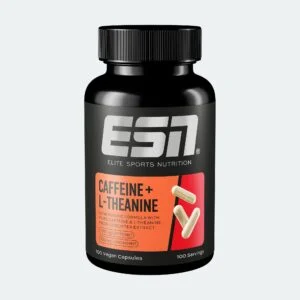
Caffeine is found in more products than you might think: in coffee, black and green tea, mate, cola, chocolate, pre-workout supplements, and some protein-coffee products. Plant extracts such as guarana and green tea also contain caffeine. The amount of caffeine in a cup of coffee depends heavily on the type of bean and how it’s prepared.
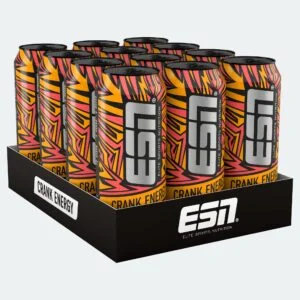
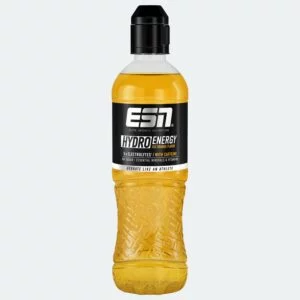
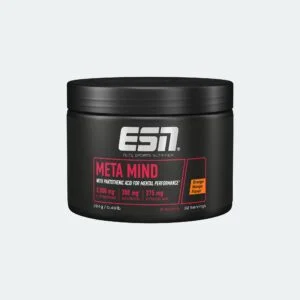
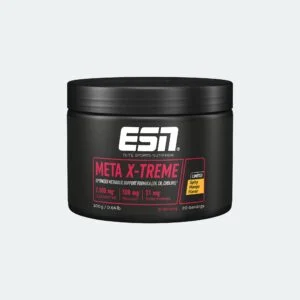
ESN offers several products in this category: Crank Energy, an energy drink-style powdered beverage; HydroEnergy, a combination of caffeine and electrolytes; and the Perfect NRGY Hydro Energy Gel—which, according to the manufacturer, is a liquid carbohydrate gel containing sodium that can be consumed without adding water. The products thus differ primarily in form and intended use: a glass at home, a water bottle during exercise, or a gel for on the go.
More Nutrition primarily offers caffeine in combination products, such as the Every Workout Booster, which, according to the manufacturer, contains caffeine and L-theanine. The comparison list above shows which energy products are currently available; you can get a discount with the ESN discount code.
Add the powder to cold water according to the manufacturer's instructions, then stir or shake. Adding more water makes the drink milder; adding less water does not increase the caffeine content, but only increases the sweetness and intensity.
Caffeine-containing dietary supplements are not a substitute for a balanced, varied diet and a healthy lifestyle; do not exceed the recommended daily intake.
We prepare powdered beverages with cold water according to the manufacturer’s instructions and rate the taste, sweetness, consistency, solubility, and aftertaste on a scale of 1 to 10. For gels, we evaluate the taste, consistency, and ease of use on the go. For unflavored capsules, we instead compare the label: caffeine content per serving, other ingredients, and price per serving.
We deliberately do not rate the effects. Details on how our evaluation works can be found in the testing methodology.
The amount per serving is listed on the label and varies significantly depending on the product. Be sure to include the caffeine from coffee, tea, and energy drinks consumed on the same day.
According to the EFSA, up to 400 mg of caffeine per day from all sources is considered safe for healthy adults, with single doses of up to 200 mg. Lower limits apply to children, pregnant women, and breastfeeding women.
Many energy powders are sweetened with sweeteners such as sucralose. Whether a product contains sugar—and how much—is listed in the nutrition facts panel on the package.
Powder is usually cheaper per serving, easier to transport, and can be adjusted for strength. The can is ready to drink and already carbonated.
That depends on taste, caffeine content, and form. The list above shows the highest-rated varieties from our tasting.
Taurine is an aminosulfonic acid that is added to many energy drinks and also occurs naturally in meat and fish. The amount per serving is listed in the nutrition facts table.
Beverages containing caffeine are not recommended for children, pregnant women, or nursing mothers. If you have any pre-existing medical conditions, are taking medication, or are sensitive to caffeine, consult a doctor before use.
Energy drinks and energy powders rely primarily on caffeine, taurine, and flavor, and are consumed on a wide variety of occasions. Pre-workout boosters are designed to be taken before a workout and often contain additional amino acids such as citrulline or beta-alanine.
Always save with code SUPPLIGATOR – plus current deals.
Live deals from ESN, More Nutrition & co.
Filter by brand, rating and diet.
Our tasting and rating method explained.
Choose a group to join
May Suppligator measure its ads?
We’d like to see whether our ads on Instagram and Facebook work – without cookies and without a pixel.
With your permission our server tells Meta (Facebook/Instagram) which pages you view here and whether you e.g. copy a code or sign up – so we can see whether our ads work and ads become more relevant. Your IP address, browser details and a click identifier are sent to Meta (including to the USA). If you are signed in, also your email address and account ID as an unreadable checksum (hash). We use no Meta cookies and no pixel for this. Privacy policy